Municipal and county teams responsible for resident-facing digital services
Cybersecurity & AI Advice for Public Services
Government
Blueforce partners with local government leaders to protect resident services and make informed technology decisions. We assess cybersecurity risks, compare AI offerings for departmental needs, and support approved implementation around records handling, procurement, public accountability, and dependable IT.
Advice shaped around your businessCybersecurity and secure AI adoptionConsulting through implementation
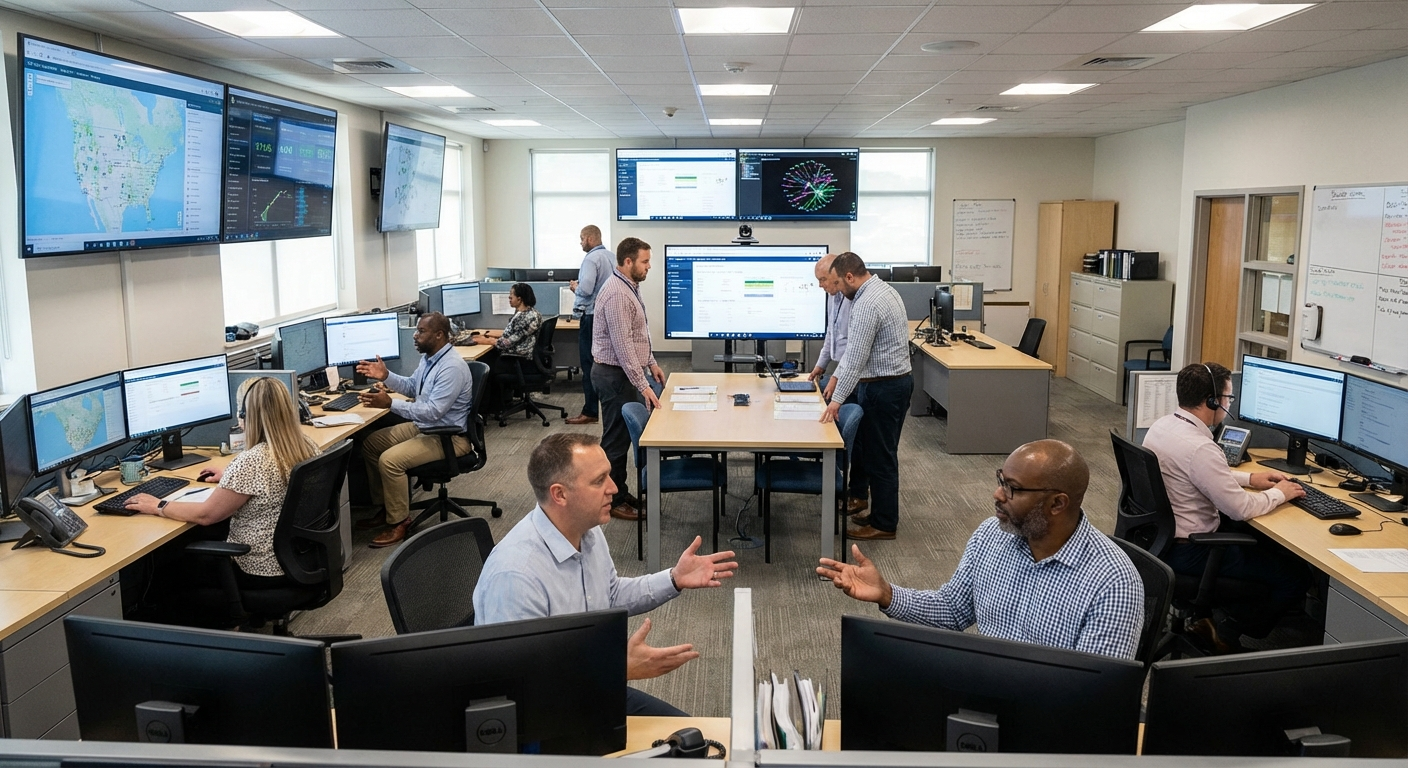
Who we partner with
The teams and operating environments this approach is designed to support.
Organizations operating older departmental applications alongside cloud services
Small IT teams coordinating elected officials, department heads, vendors, and contractors
Leaders who need a prioritized work plan tied to service impact and available resources
How the work gets done
The people, systems, and handoffs that keep daily operations moving.
Permitting, payments, records, communications, and other public services may share networks, identity systems, and vendors
Departments often purchase or operate applications with different support and access practices
An incident may require coordination among IT staff, department leadership, public information staff, and outside providers
Procurement cycles, budgets, staffing, and maintenance windows shape when changes can be completed
An unavailable portal or office system can delay both residents and the staff assisting them
Systems your team depends on
The technology and handoffs that shape security, reliability, and support priorities.
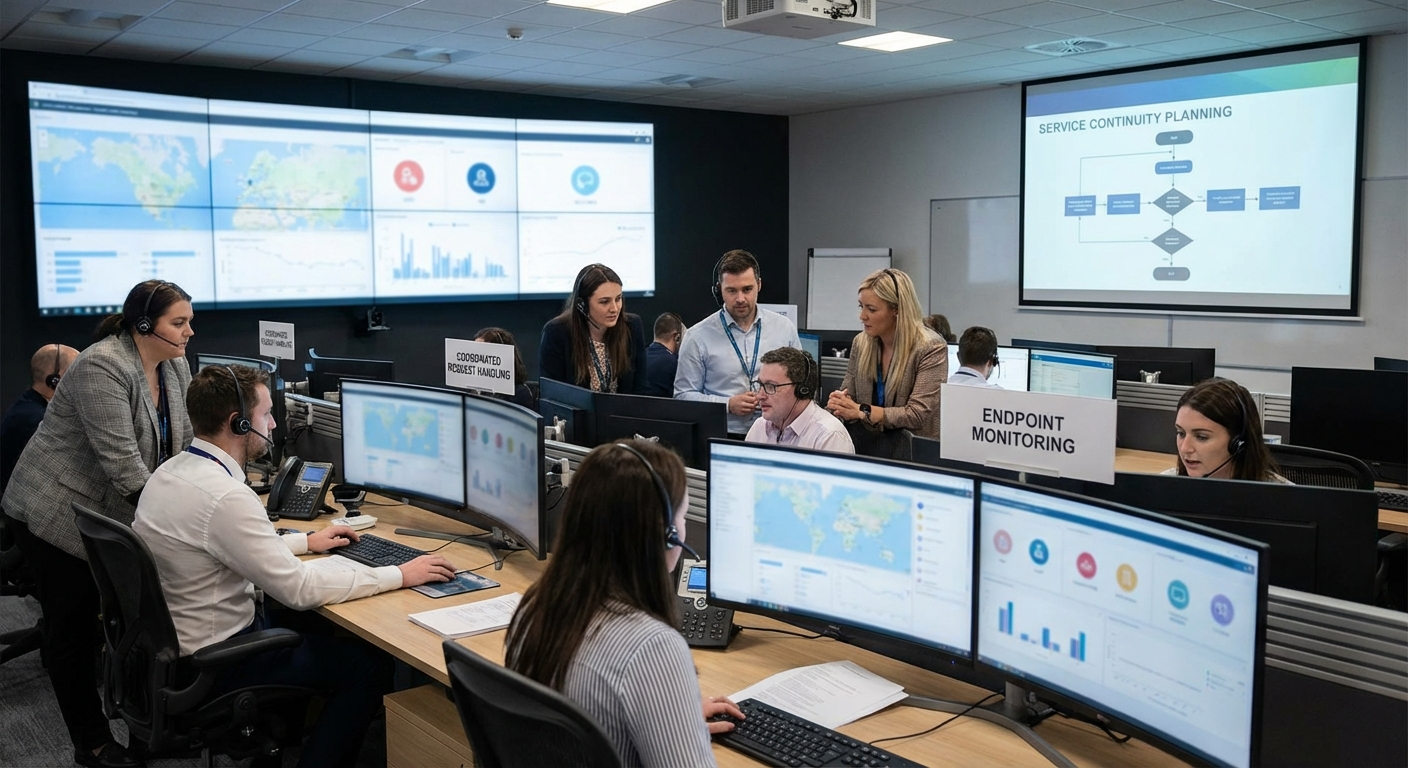
Your business priorities guide the advice
We connect your critical systems, security risks, and workflows to a practical plan, including where available AI tools could help and how to adopt them responsibly.
Where operations break down
Recurring technology problems that create delays, extra work, or avoidable exposure.
No single contact coordinating a service outage across departments and vendors
Privileged and shared accounts managed differently from one department to another
Known patch, backup, or replacement work delayed by staffing and procurement constraints
Vendor support terms and escalation contacts that are difficult to find during an incident
Recovery and public-communication procedures that have not been exercised together
Risks to plan around
Where downtime, access gaps, and outside dependencies can disrupt this type of organization.
A technology failure can interrupt payments, records access, permitting, communications, or other resident services
Older systems may have limited update, logging, integration, or vendor-support options
Missing contacts and decision authority can delay technical recovery and public updates
An incomplete device and account inventory makes it harder to identify the scope of an incident
Compliance considerations
The rules and frameworks that may affect security controls, documentation, and operating decisions.
NIST Cybersecurity Framework 2.0
The voluntary framework organizes cybersecurity risk management around Govern, Identify, Protect, Detect, Respond, and Recover functions.
Security and technology considerations: Blueforce can use selected framework outcomes to organize an assessment, assign remediation owners, and document tests. This does not represent NIST certification or compliance.
CISA Cybersecurity Performance Goals
CISA publishes voluntary cybersecurity performance goals that organizations may use to prioritize commonly recommended safeguards.
Security and technology considerations: Blueforce can compare current technical practices with agreed goals and plan approved identity, endpoint, backup, logging, or response work around operational constraints.
CISA SLTT Guidance
CISA provides resources for state, local, tribal, and territorial organizations preparing for and responding to cyber incidents.
Security and technology considerations: Blueforce can help document local contacts, authority, technical steps, vendor handoffs, and exercise scenarios. The government entity determines which requirements and reporting duties apply.
Consulting, implementation, and ongoing support
A partner to assess cybersecurity priorities, evaluate AI offerings, and support implementation alongside the IT your team depends on.
Cybersecurity and managed IT
Public-Service Cybersecurity & Systems
Start with the systems, accounts, vendors, and fallback procedures behind the services residents and staff use.
- • Dependency map for selected resident-facing and departmental services
- • Patch and remediation register with owners, exceptions, and procurement constraints
- • Approved privileged-access and multifactor authentication changes
- • Incident runbooks naming technical, departmental, vendor, leadership, and communication roles
AI consulting and implementation
AI Consulting for Departmental Workflows
Identify appropriate uses for available AI tools in internal knowledge, reporting, and service coordination. We compare options against data handling, records, procurement, accessibility, and staff review requirements defined by your organization.
- • Departmental AI opportunity assessment tied to service priorities and staff capacity
- • Comparison of AI offerings for vendor data terms, records handling, integration, and procurement fit
- • Adoption plan with approved data, staff training, accountable owners, and human approvals
- • Implementation support for an authorized pilot with review, exception handling, and shutdown procedures
An example phased sequence
This is an illustrative order of work, not a delivery guarantee. We agree on timing after assessing the environment, scope, and operating constraints.
Days 1-30
Identify essential service dependencies and response owners.
- • Trace selected resident services through applications, networks, identity systems, and vendors
- • Name technical, departmental, leadership, and communication contacts for incidents
- • Address approved urgent device and account-control gaps
- • Discuss departmental AI opportunities, records handling, approval authority, and procurement constraints
Days 31-60
Apply repeatable controls and exercise coordination.
- • Document remediation decisions, exceptions, owners, and target dates
- • Publish department and vendor escalation procedures for selected services
- • Run a tabletop exercise for a portal outage or compromised account
- • Compare AI offerings against departmental needs, data terms, procurement rules, and human-review requirements
Days 61-90
Maintain service recovery and security procedures.
- • Adjust alerts and ticket routing using incident and service records
- • Automate one approved internal handoff with a named reviewer
- • Schedule recurring reviews for accounts, devices, backups, vendors, and open fixes
- • Pilot an approved internal AI workflow, document staff findings, and decide whether to continue or disable it
How the work stays on track
Clear ownership and an agreed order of work keep each phase accountable and manageable.
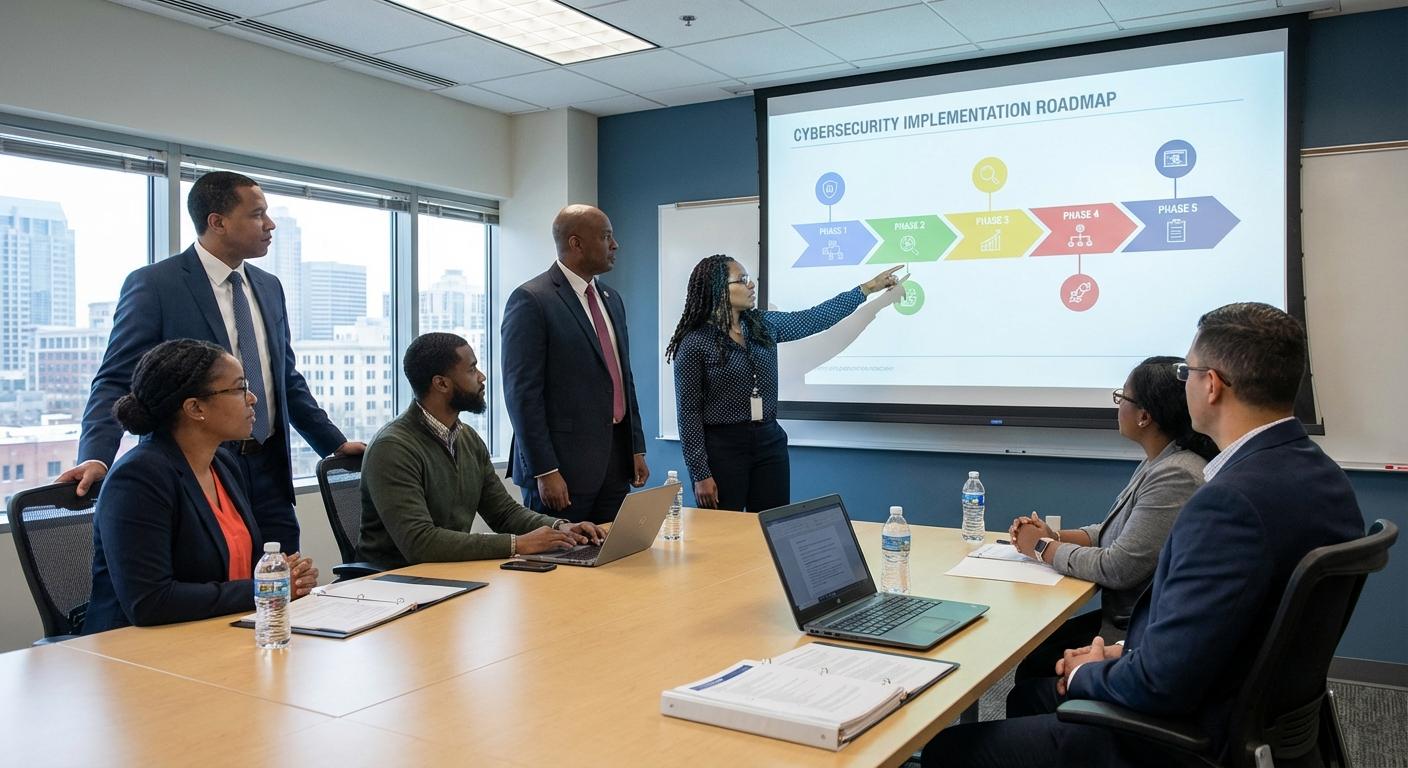
Work planned around your operations
We help you compare options, agree on priorities, and put the plan into practice. Each phase has an owner, review points, and timing that fits your operations.
Controls to address first
Security and operational practices to evaluate early in the engagement.
List the systems, vendors, and offices behind selected resident services
Name technical incident authority and public-communication ownership
Review privileged accounts, shared accounts, and multifactor authentication
Compare device settings and update coverage across departments
Restore a selected backup in a controlled test and record each recovery owner
Track open remediation by service impact, owner, target date, and constraint
Confirm vendor support terms, account identifiers, contacts, and escalation paths
Exercise a service outage and account-compromise scenario with the relevant roles
Plans for common disruptions
How to prepare for and respond to incidents that can interrupt this kind of operation.
Resident Portal Availability Incident
Trigger: Resident-facing portal experiences sustained service degradation.
First response: Assign the incident coordinator, determine which application, network, identity, or vendor component is affected, and start the approved staff and public-status process.
Stabilization: Restore essential portal functions, reconcile requests received through fallback channels, document the cause if known, and update the recovery steps.
Unusual Account Activity in Departmental Accounts
Trigger: Sign-in patterns suggest an account may be used by someone other than its owner.
First response: Restrict the account as authorized, revoke active sessions, preserve relevant records, and identify applications and services connected to the account.
Stabilization: Restore approved access, document findings and changes, and update account-review or sign-in controls as authorized.
Third-Party Service Dependency Outage
Trigger: Key vendor outage affects continuity of a core departmental workflow.
First response: Start the approved fallback, name one government coordinator for the vendor, and tell affected departments which service and time period are involved.
Stabilization: Reconcile work handled during the outage, check selected records for missing or duplicate entries, and revise the fallback instructions.
Frequently asked questions
Answers about cybersecurity, AI consulting, and technology support for government.
Can you work with existing internal IT teams and contractors?
Yes. We document which team owns each system, account, vendor, decision, and communication step, then work within those assignments during support and incident response.
Can you certify that we meet a cybersecurity framework?
No. We can assess and configure selected technical controls, organize evidence, and document gaps against an agreed framework. Your organization and qualified advisors determine applicable requirements and any formal compliance or certification status.
How do you balance risk reduction with service uptime?
We identify service dependencies, schedule approved changes around public and departmental operating hours, pilot higher-impact settings, and define a rollback or fallback where practical.
Can you help departments evaluate AI offerings?
Yes. We help identify appropriate use cases, compare available tools, and plan a pilot within your procurement, records, security, and approval requirements. Your designated authorities approve data use and policy decisions, and staff retain responsibility for outputs and public-facing actions.
Plan your public-service cybersecurity and AI priorities
Tell us which services need protection and which departmental workflows need improvement. We’ll define consulting and implementation around your priorities, staff capacity, records obligations, and procurement constraints.